Accelerate Development and Reduce Risk with Analytical Testing Built for Coated Medical Devices

Tools and techniques to deepen understanding of your device performance

Identify coating risks early and generate submission-ready data to avoid delays

Reduce global regulatory submission risk with clear, defensible data insights

Avoid costly rework and delays through proactive analytical testing

Testing & Characterization

Analytical testing only creates value when it leads to a clear technical decision

Traditional Medical Device Testing Labs

icon
Execute analytical testing and deliver reports
icon
Limited visibility into device and coating-specific performance drivers
icon
Leave teams to interpret outputs and risk on their own

Surmodics Analytical Testing for Medical Devices

icon
Utilizes over 50 years of experience in coating performance, material science, and device applications
icon
Combines integrated surface characterization, particulate testing, and analytical chemistry capabilities to connect data to coating performance
icon
Provides clear technical direction to address risk early in the development process and throughout the product lifecycle

Core Capabilities

Surface Characterization for Medical Devices

Risk it Addresses:

Undetected defects that may lead to failures

Objective:

Quantify coating structure, uniformity, and adhesion at microscopic and molecular levels

Capabilities Include:

icon

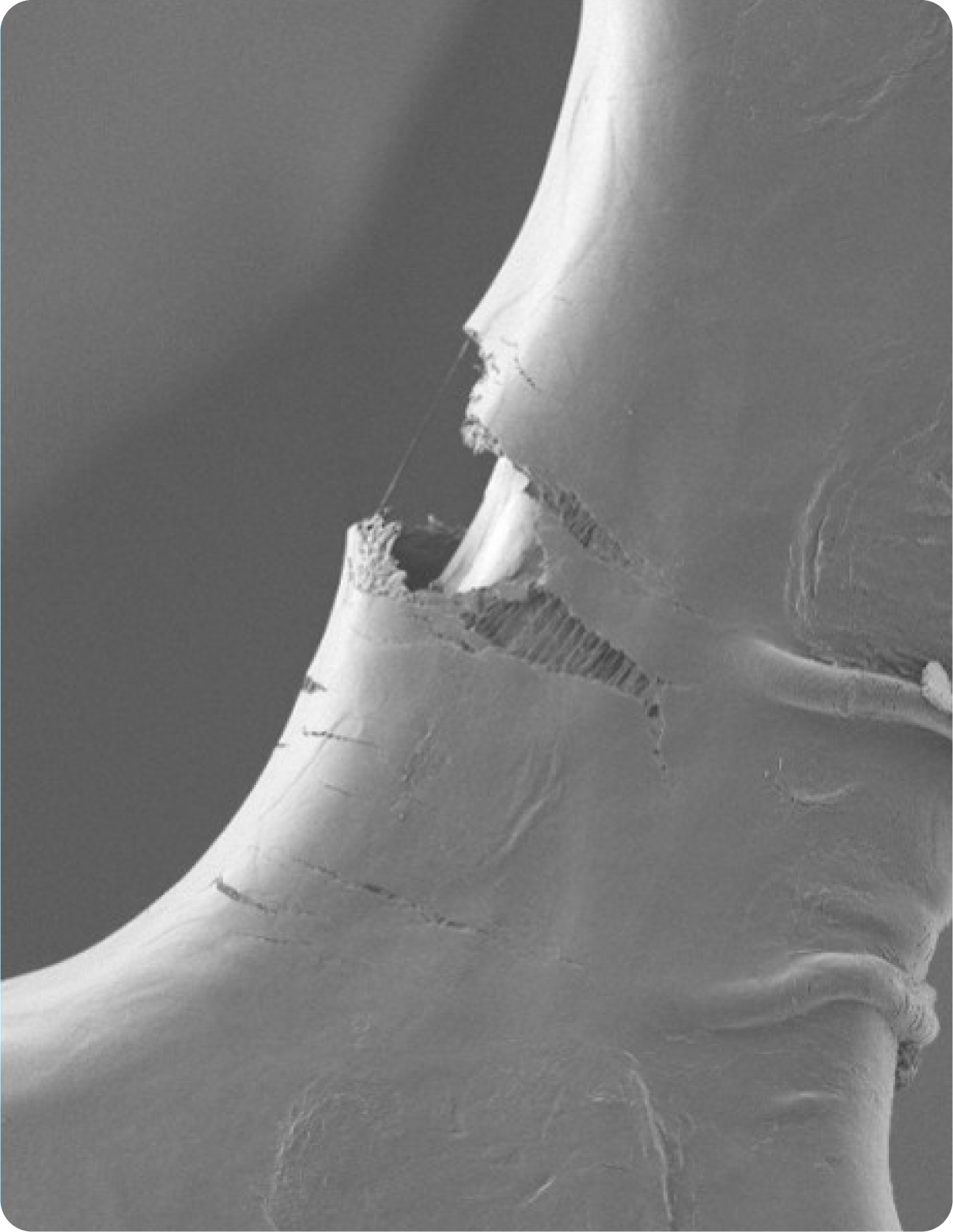
Field Emission Scanning Electron Microscopy (FE-SEM) with EDX/EDS

icon

Optical and digital microscopy (5x - 2000x)

icon

Confocal Raman microscopy

icon

FTIR microscopy and spectroscopy

What This Enables:

icon

Identification of coating defects, inconsistencies, and contamination

icon

Detection of substrate variation that may impact coating adhesion

icon

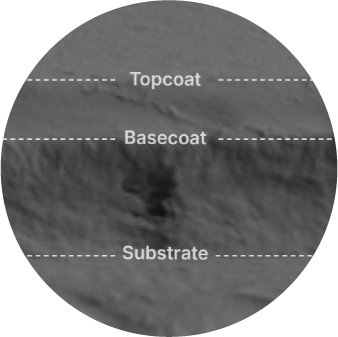
Measurement of coating thickness and layer structure

icon

Bringing multiple tools and techniques together to find solutions

Simulated Use and Performance Testing for Medical Devices

Risk it Addresses:

Unexpected performance issues under real world conditions

Objective:

Evaluate device and coating performance under clinically relevant conditions

Capabilities Include:

icon

Simulated use testing for medical devices aligned to clinical applications

icon

Friction and lubricity testing

icon

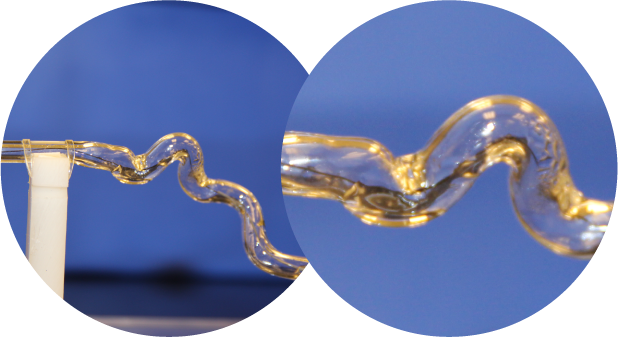
Durability and device tracking performance evaluation

icon

Particulate testing and quantification

What This Enables:

icon

Assessment of coating performance under representative use conditions

icon

Generation of particulate data to support regulatory submissions

icon

Identification of potential performance risks prior to commercialization

Material Characterization for medical devices

Risk it Addresses:

Unknown material or particulate sources that delay global regulatory approval

Objective:

Understand material composition and its direct impact on coating and device performance

Capabilities Include:

icon

FTIR spectroscopy and microscopy

icon

Nuclear Magnetic Resonance (NMR) spectroscopy

icon

UV-Vis spectroscopy

icon

Viscometry, density, and percent solids analysis

icon

Chromatography (HPLC, GC, GPC/SEC)

icon

Thermal analysis (DSC, TGA)

What This Enables:

icon

Chemical identification of particulates for regulatory submission

icon

Evaluation of coating formulation consistency

icon

Correlation between material properties and coating performance

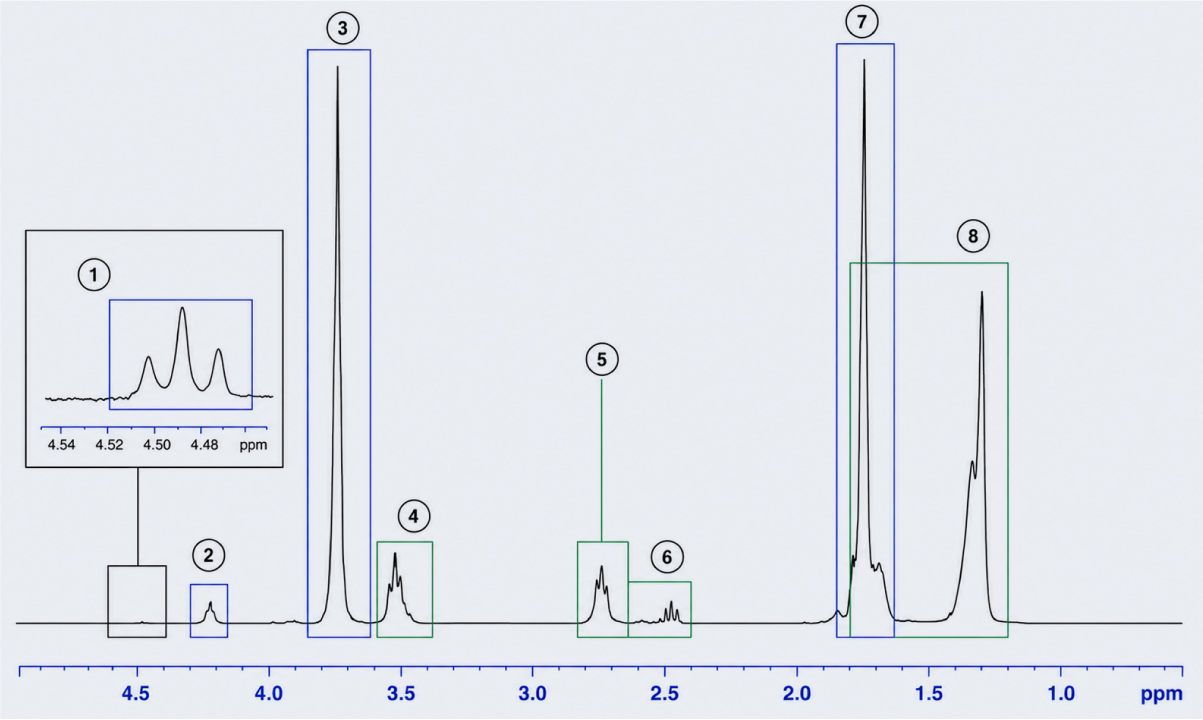
1H-NMR Spectrum (400 MHz; 300 K) of a Pebax 40D resin in deuterated trifluoracetic acid/deuterated chloroform (TFA-d/CDCl3; 3/1 ratio)

1. Terathane segment (methylenes next to a terminal hydroxyl)
2. Terathane segment (methylenes near the ester/nylon linkage)
3. Terathane segment (methylenes near the ether linkage)
4. Nylon alkyl methylene nearest the amide linkage
5. Nylon alkyl methylene C2 from the amide linkage
6. Nylon alkyl methylenes – identity not confirmed
7. Terathane segment (interior methylenes)
8. Nylon Alkyl Chain

Analytical Chemistry for medical devices

Risk it Addresses:

Variations in the performance and composition of device coatings with active ingredients or biological interactions

Objective:

Addressing composition and performance critical quality attributes related to your device

Capabilities Include:

icon

Drug content, uniformity and morphology testing

icon

Residuals and impurities testing

icon

Elution testing

icon

Thrombin Inhibition Testing

icon

Fibrinogen Binding

What This Enables:

icon

Device characterization for development optimization and regulatory submission

icon

Iterative, cross-functional feedback to reduce cycle-time

icon

Holistic understanding of a device instead of a narrow focus on one aspect of performance

Technical Proof

Material Characterization

Challenge:

Coating failure on a polymer substrate with no visible defects

Risk it Addresses:

FTIR spectroscopy and microscopy used to evaluate surface composition across the device

Outcome:

icon

Identified hidden substrate variation before it caused validation failure

icon

Corrective action defined to restore coating adhesion

Coating Thickness Characterization

Challenge:

Requirement for precise measurement of coating layers

Risk it Addresses:

SEM with preparation for cross-sectional analysis

Outcome:

icon

Coating layer thickness measured and documented

icon

Data used to support design evaluation

Particulate Testing for FDA & Global Submissions

Challenge:

Requirement for particulate counts and chemical identification

Risk it Addresses:

Simulated use testing combined with light obscuration and spectroscopic microscopy

Outcome:

icon

Particulate dataset generated including size distribution and composition

icon

Results used to support global regulatory submission documentation

Why Surmodics

Surmodics provides analytical testing for medical devices supported by experience in coating development, material science and derisking regulatory submissions. The Surmodics facility in Eden Prairie has hosted and trained FDA staff on particulate testing techniques and has supported
a broad range of FDA and global regulatory submissions. This experience allows them to develop testing approaches aligned with regulatory expectations.

This allows our team to:

icon

Investigate coating performance at the material and surface level

icon

Interpret analytical data within the context of coating behavior

icon

Provide technical input to support next steps in development or validation

Engagement Structure

Targeted Analytical Testing

Defined scope testing for specific performance or material questions

Integrated Testing Programs

Multi-test studies supporting development and validation

Global Regulatory Testing

Analytical testing aligned with regulatory requirements, including reporting and documentation

Analytical Insight for
Better Outcomes

Coating performance issues identified late in development can lead to delays, additional testing, and increased cost. Analytical testing should provide clear insight into coating behavior and performance. Surmodics delivers the data and technical perspective needed to support informed decisions throughout development, validation, and commercialization.

Speak with an Expert